A Delhi Police constable posted in the Outer North district has been suspended with immediate effect after he was accused of demanding a more expensive car as dowry and calling off his wedding in Haryana's Sonipat when the bride's family could not arrange it, police said on Monday. The constable, identified as Kuldeep, was suspended pending departmental proceedings, with police stating that his conduct was viewed with utmost seriousness and that proceedings had been initiated as per prescribed rules.
According to a complaint filed by the bride's father, Subhash Kumar, the marriage had been fixed around six months ago, and demands for a car and jewellery were allegedly made after the alliance was finalised. The family alleged that Kuldeep insisted on a compact SUV worth around ₹13 lakh even though they had booked a sedan costing approximately ₹9.5 lakh. They claimed to have arranged furniture, a gold chain for the groom and gold earrings for his mother, and alleged that jewellery was also demanded for other members of the groom's family. Mr. Kumar said the family cancelled the sedan booking and tried to arrange a compact SUV but could not procure one at short notice.
The wedding was scheduled at Mamchand Vatika in Sonipat. The bride's family alleged that Kuldeep arrived at the venue with his mother on November 20 but refused to proceed with the wedding after finding that the vehicle had not been arranged.
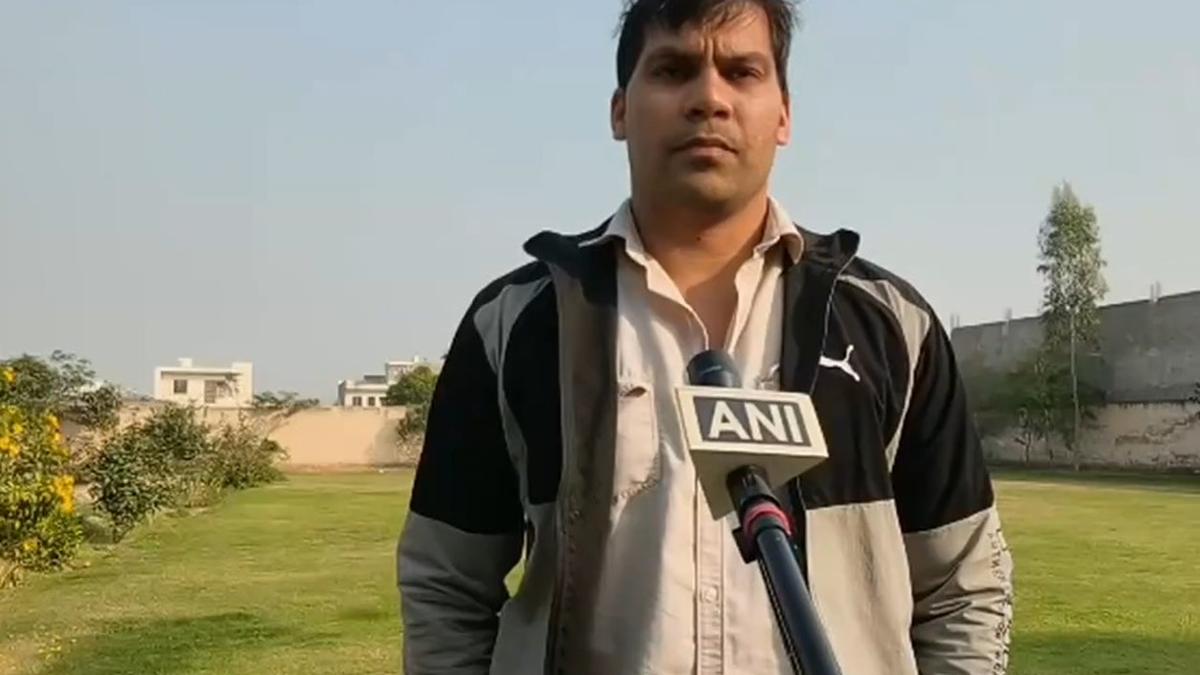
Kuldeep denied the allegations, claiming the dispute arose over a disagreement during a wedding ritual and had nothing to do with a demand for a vehicle. Speaking to the media, he said the allegation that he had demanded a more expensive car was false and that an argument had broken out over the ribbon-cutting ceremony. He also denied asking the wedding procession to return, claiming the bride's family had turned it back. "I was ready to marry then and I am ready to get married even today. This has nothing to do with any vehicle. I never had any discussion with them about any car," he said, adding that he had offered to go ahead with a court marriage attended by only a limited number of people.