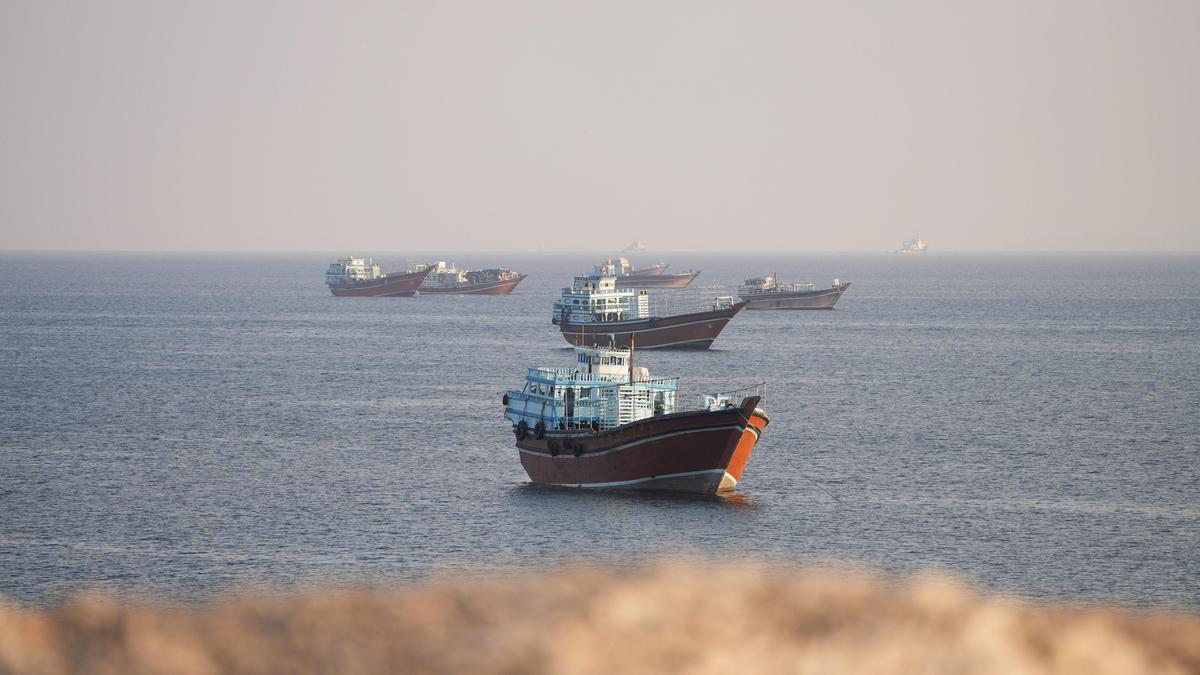
Iran said on Monday it would use every means at its disposal to counter a U.S. naval blockade imposed in retaliation for Tehran's own push to block the Strait of Hormuz, according to Foreign Ministry spokesman Esmaeil Baqaei. Speaking at a weekly press briefing, Mr. Baqaei said Iran would not tolerate what he described as U.S. aggression.
The U.S. blockade of Iranian ports followed Iran's continuing efforts to close the Strait of Hormuz, a waterway vital to global energy supplies. Washington later announced economic sanctions and set up a task force to disrupt land routes into Iran. Mr. Baqaei said the sanctions, economic blockade and naval blockade together constituted an act of military aggression against Iran, and argued that Tehran was entitled under Article 51 of the UN Charter to use any means to defend itself.
War between Iran and the United States broke out on February 28 when U.S.-Israeli strikes killed Iran's supreme leader, Ayatollah Ali Khamenei, according to the original report. Iran retaliated with missile and drone strikes across the region, and militant groups it backs in Lebanon, Yemen and Iraq also entered the conflict. Iran has said its attacks, including those on U.S. facilities in Bahrain on November 13 and November 15, were in response to U.S. drone surveillance operations and an attack on Iranian communications towers.
Iranian forces have repeatedly announced in recent weeks that ships caught fire while attempting to use routes Tehran considers off-limits. Diplomatic efforts remain stalled, particularly since the collapse of a June deal that set out a path to a permanent settlement. Mr. Baqaei said the Strait of Hormuz could be reopened within two days if Washington met Iran's demands, including lifting the blockade, and that security could be restored to the waterway and the region quickly if the American side fulfilled its commitments.