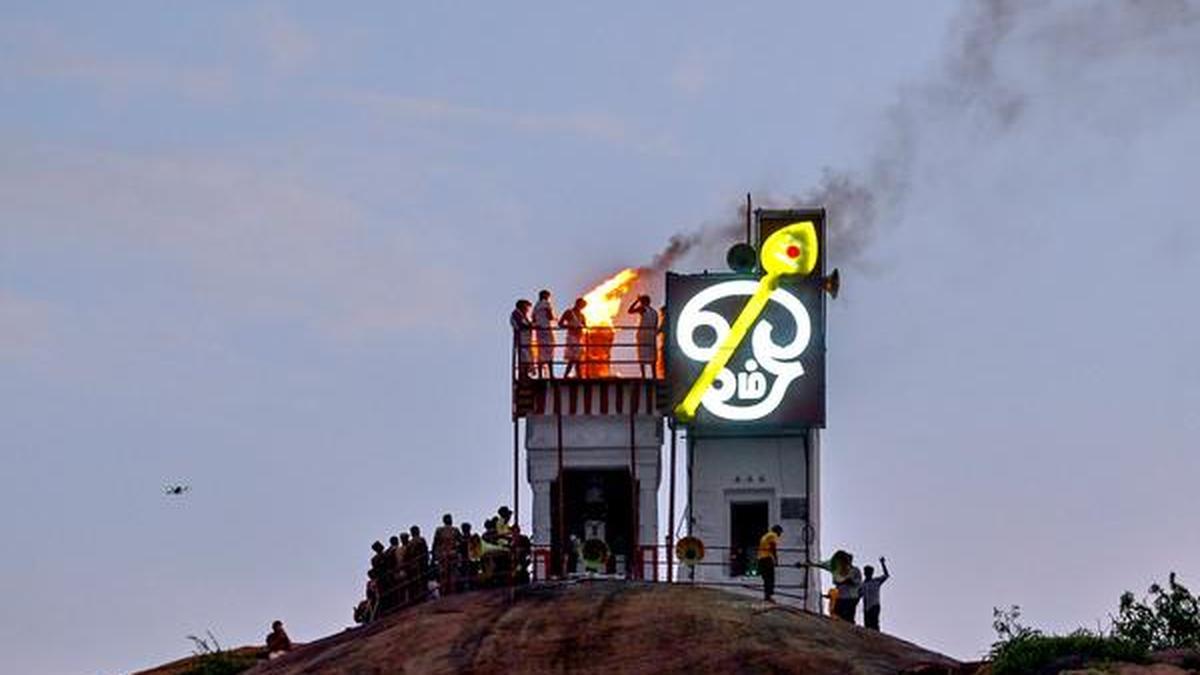
The Madurai Bench of the Madras High Court on November 24 passed a "John Doe" order in the Thirupparankundram deepathoon case, restraining anyone from calling for violation of the Supreme Court's November 20 order that permitted lighting the lamp on the hillock as a "limited one-time arrangement" only.
A John Doe order is an ex parte injunction issued against unknown persons or the world at large, granted without hearing the other party. Also called "Ashok Kumar" orders in India, such orders are frequently used in intellectual property rights cases as a pre-emptive measure. In this case, the High Court restricted members of the general public from calling for violation of the Supreme Court's order.
The court invoked Article 144 of the Constitution, which mandates that all authorities, civil and judicial, act in aid of the Supreme Court, and reminded the District Collector that he is answerable only to the Supreme Court in this matter and should ignore contrary advice from any other authority. It noted that while a review petition has been filed before the Supreme Court against the November 20 order, no order has been passed on it, and pendency of a review petition is not a ground for non-compliance.
The controversy concerns the lighting of a ceremonial lamp on the deepathoon, a stone lamp pillar atop Thirupparankundram hillock in Madurai, on Karthigai Deepam. The Supreme Court's interim arrangement came amid a dispute between Hindu worshippers and the Sikandar Badusha Dargah over ownership of the hilltop and the deepathoon site. According to the original report, the ruling TVK government defied the Supreme Court order on November 24, and the festival lamp was lit only at its customary place on the hill.